

01
Webflow development
Webflowdevelopment
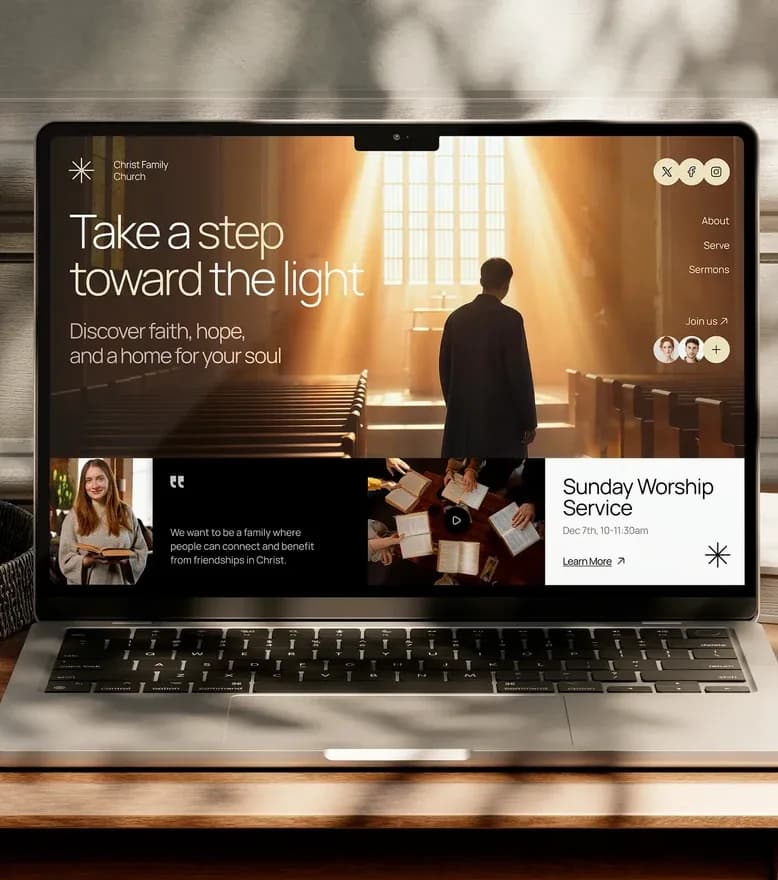
The build itself: components, breakpoints, interactions and a structure that does not fall apart the first time somebody adds a page. Classes named so the next person can read them.
Sites your team edits without filing a ticket. We are a Webflow development agency that structures the CMS so it stays editable, then hands it over with the training that makes that real rather than theoretical.


Trusted by 200+ of the world’s top brands








What Webflow development includes
What Webflow development includes
01
The build itself: components, breakpoints, interactions and a structure that does not fall apart the first time somebody adds a page. Classes named so the next person can read them.
02

We draw in Figma and build in Webflow ourselves, which is the point of hiring a Webflow design agency rather than a designer and a builder who have never spoken.
03

Collections, references and filtering set up so a case study, a job post or a changelog entry is one form to fill in, rather than a developer ticket and a page built by hand.
04

Moving off WordPress, Squarespace or a custom build without losing what already ranks. Every URL mapped before launch, content moved, redirects tested on the day.
05

The parts of Webflow that decide whether search engines can read the site: titles, heading structure, schema, image handling and speed. Built in from the start rather than bolted on by a plugin later.
how we work
how we work
Webflow earns its place for one reason: the people who need to change the site can change it. Marketing publishes a case study on a Tuesday without a sprint, a deploy or a developer who is busy.
It is also faster to launch than a custom front end, and it comes with hosting, versioning and a CDN you would otherwise assemble yourself.
Where it loses: heavy application logic, anything needing a real back end, complex permissions, or a site so large the CMS limits start to bite. If that is what you are describing, we will say so and quote a custom build instead.
We build both, so the recommendation costs us nothing either way. That is worth more than a strong opinion from a shop that only sells one of them.


moving to webflow
The reason most teams put off moving to Webflow is not the build. It is the fear of waking up to a site that is faster, prettier and invisible.
That fear is reasonable, and the cause is almost always the same: nobody mapped the old URLs to the new ones. Traffic does not leave because the platform changed, it leaves because a hundred addresses stopped resolving on launch day.
So we start from the existing site rather than the design. Every URL listed, every page that earns traffic identified and kept, the structure changed deliberately where it helps and left alone where it does not.
Redirects are written before launch and tested on the day, not discovered a fortnight later in a traffic graph.
Who we build for
Marketing teams who are tired of queueing behind engineering to publish a page.
Startups moving off WordPress or a custom build they cannot maintain.
Founders who want the site live in weeks rather than a quarter.
Not web applications wearing a website costume: if it needs real logins and logic, it needs a build, not Webflow.
selected Projects
A Webflow template built in-house rather than a one-off client site. A template is the stricter brief: every decision has to survive content somebody else writes, on pages we will never see.
What client said
“Usarion team took us from a raw, vague concept to a solid, working launch within a few weeks, completed with a real vision of what we’re building, and roadmap of what we want to build next.”
 Steve HenryCEO, ScalePoynt


our work process
our work process
Step 1
The existing site first: every URL listed, every page that earns traffic identified and kept, and what the CMS has to hold written down. Two to three days, and it decides the whole build.
Step 2
Collections, fields and references mapped before a page is built. Get this wrong and every future page fights it, which is how Webflow sites turn unmaintainable.

why choose us

The person on your first call is the person doing the work. Nothing is handed to a junior once the contract is signed.

The build is quoted once against a written page list. The price does not move unless you change what you asked for.

Design and build sit in one team, so there is no handover gap where interactions get quietly dropped for being awkward to build.

Readable classes, a structured CMS and a training session. You are not tied to us to publish a page.
what our client said
“I personally appreciated that he always kept design ahead of dev.”
“Usarion team took us from a raw, vague concept to a solid, working launch within a few weeks, completed with a real vision of what we’re building, and roadmap of what we want to build next. I personally appreciated that he always kept design ahead of dev.”
-Steve Henry, ScalePoynt


related services
Need the site designed as well as built? SaaS website design covers the design half, and most projects start there.
The design half of the same job. If the site does not exist yet, start there and the Webflow build follows it.
Building a full product from scratch? That is a product engagement, not an app project, and it starts here.
The identity, the icon and the store assets. Usually runs just before an app launch.
FAQs
The build itself, the CMS structured so your team can publish without us, interactions, responsive behaviour down to mobile, and the technical SEO groundwork. Migrations include URL mapping and redirects. Every project ends with a handover session.
It is quoted as a fixed price against a written page list before work starts. The drivers are the number of unique templates rather than total pages, how much CMS structure is needed, whether the design exists already, and whether an old site has to be migrated.
Three to six weeks for most sites once the design is settled. The audit takes two to three days, CMS structure about a week, and the build runs from there. Migrations add time in proportion to how many pages exist.
Because your team can change the site without a developer, and it launches faster. Custom code wins when there is real application logic, a back end, complex permissions or a site large enough to hit CMS limits. We build both and will tell you which one you are actually describing.
Common, and usually cheaper than starting again. We audit the build, find where the class structure and CMS are fighting you, and fix those first. Sites built quickly by somebody else are normally fixable without a rebuild.
Yes, from WordPress, Squarespace, Framer or a custom build. Every existing URL is mapped before launch and redirects are tested on the day, because that mapping is the difference between a migration and a traffic loss.
That is the point of building it this way. Readable classes, a CMS structured around what you actually publish, and a training session with the people who will use it. No retainer is required to publish a page.
Book a call
Get in touch
For product, interface and web-system work that needs clear direction and careful execution.