






MVP development for founders who are Fast

MVP development forfounders who are Fast

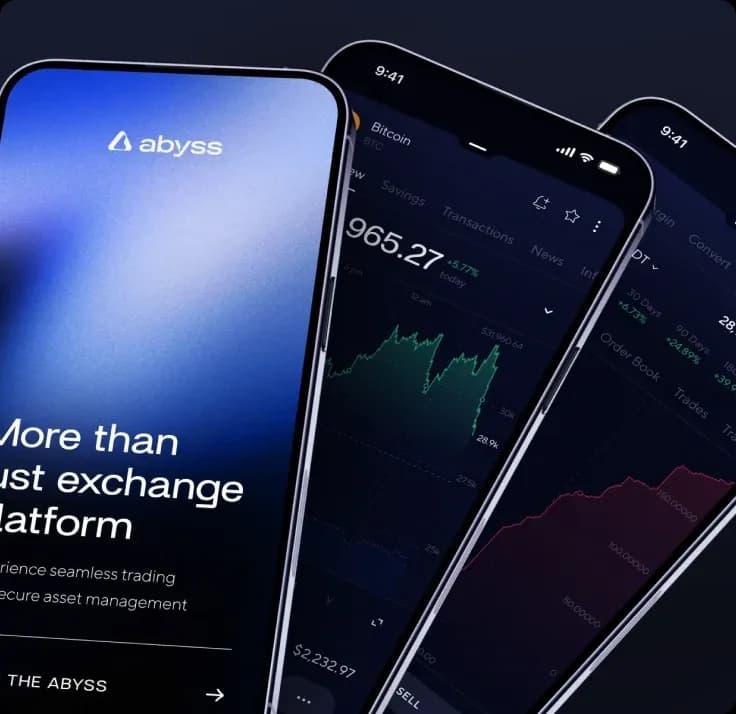
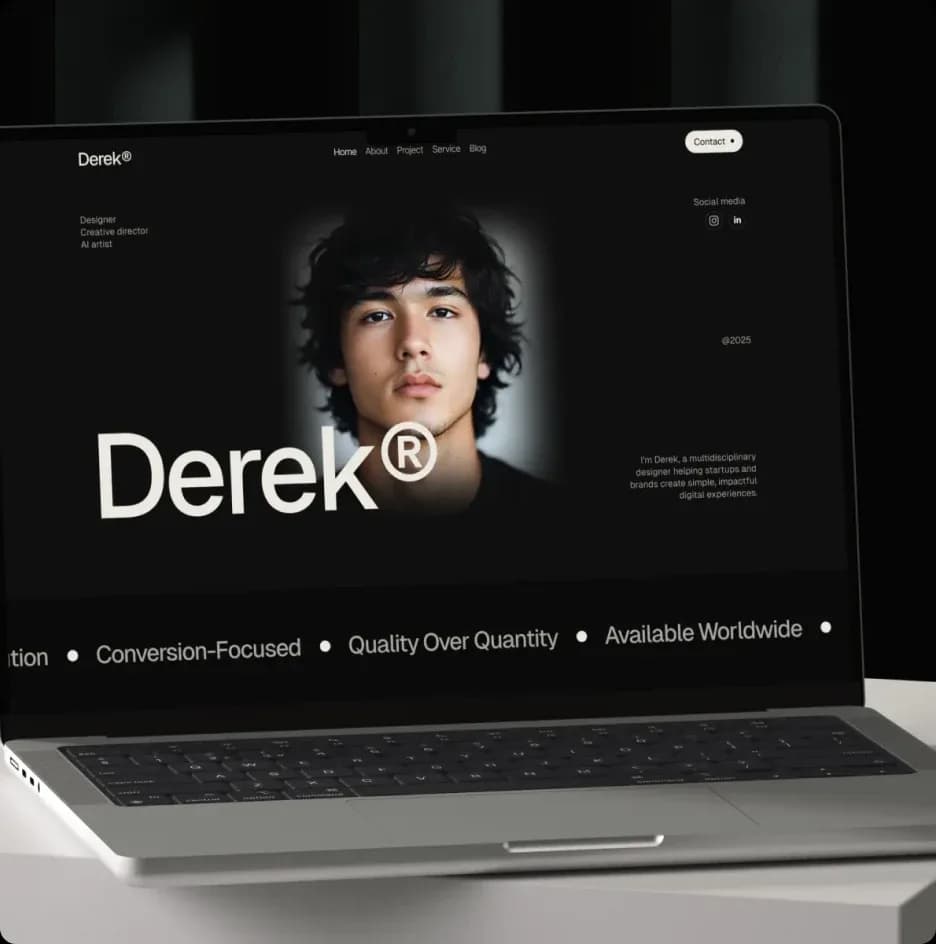
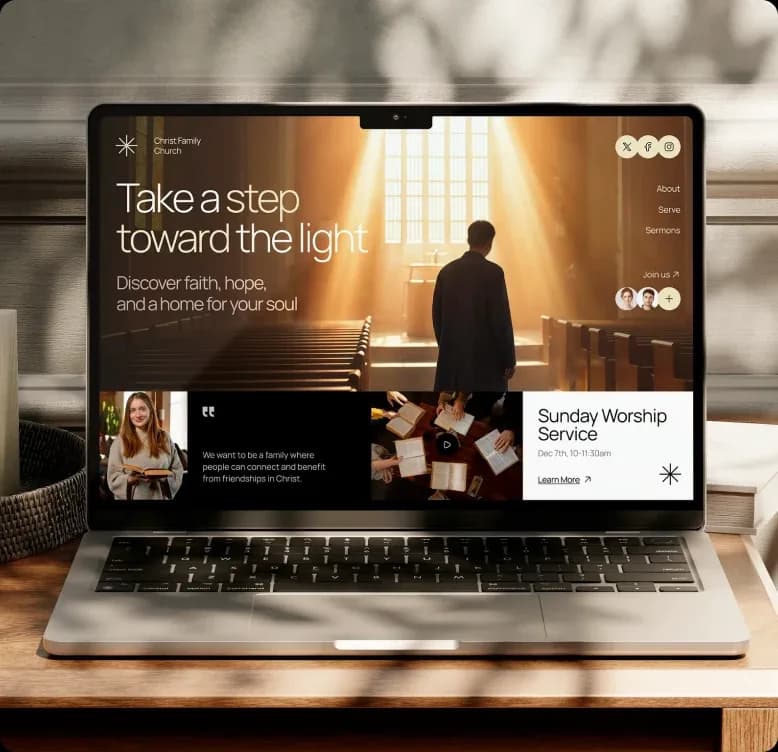
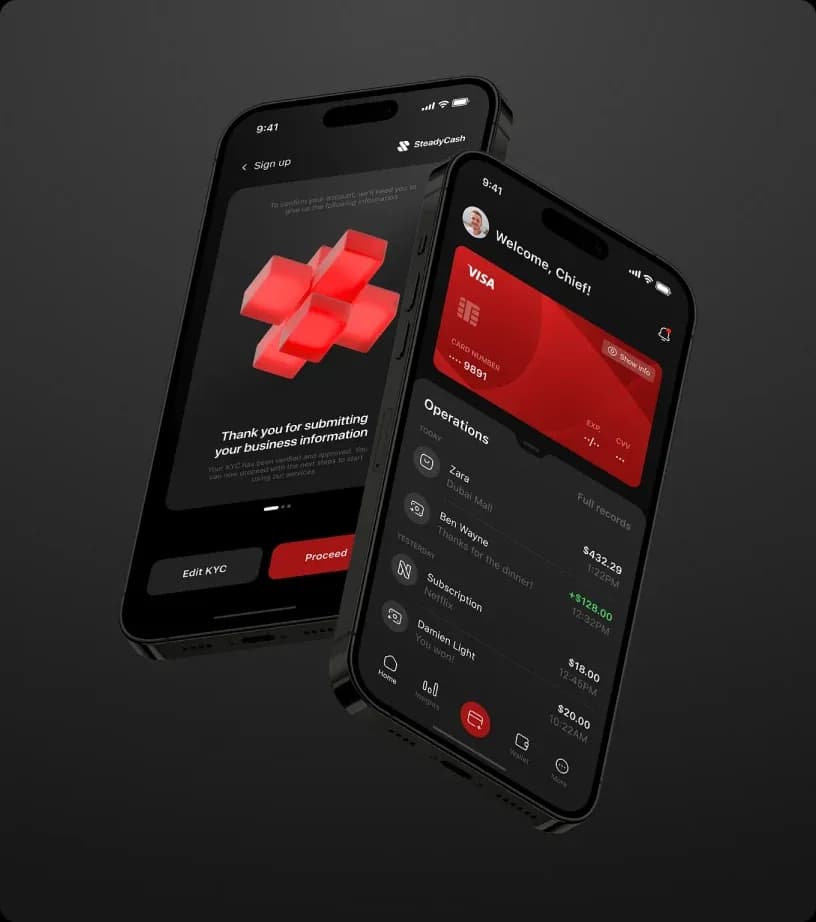
An MVP development company that designs and builds the first working version of your product, then keeps building it. Two of the MVPs behind this page are our own, Moodly and Sociarion, both live and in use by real people.

Trusted by 200+ of the world’s top brands

drivephase
Rangs Group
Gizmott
ScalePoynt.io
orkap
Fedica
ZAIC Education
Metabolix
NovoNimbus
pixarlabs

What MVP development includes

Everything between a pitch deck and a product people can log into.

01

Scope and product definition

We cut the roadmap to the version that proves the idea: what ships in v1, what waits, and what stays faked until someone asks. This is the MVP development consulting half, where most of a budget gets saved.


02

Product design and prototype

Clickable before it is coded. Flows, screens and states built as a working prototype you can put in front of users and investors while development is still spinning up.

03

Build and AI-assisted development

React front ends, dashboards and integrations, written by the same team that designed them. AI-assisted production removes the repetitive half of the work. It does not remove the decisions.

04

Launch and handover

The marketing site, the launch assets and the handover pack. Built in Webflow or Framer so your team can edit it, with named layers and documented components for whoever picks it up next.

05

Iterate after launch

First users never behave the way the plan assumed. A monthly retainer covers what you learn in the first ninety days and the changes that learning forces.

how we work

Design &development,one team

Most studios stop at the file. The brief goes to your developers, something is lost between Figma and production, and three weeks later the build does not match the prototype.

We do both halves. The people who designed the screens write the code that ships them, so there is no handoff document, no translation loss and nobody in the middle to blame.

It also makes us honest about cost. When design and build sit in one team, a screen that is expensive to build gets simplified while it is still a drawing, not after a developer has spent a week on it.

Moodly and Sociarion are the proof. We scoped, designed, built and launched both ourselves, and we still run them. Very few studios on your shortlist have shipped a product of their own.

Who we build for

Three kinds of team we build for, and one we do not.

MVP development services for startups are shaped around one deadline: something real in front of investors or first customers, before the next raise.

SaaS and AI teams adding a product line without hiring a squad to do it.

Technical founders who could build it themselves but would rather not spend three months on the interface.

Not enterprise procurement, and not agencies looking to white-label.

selected Projects

MVPs wedesigned, built& shipped

Moodly: visual inspiration, collected in one click

MVPOwn product

A Chrome extension we scoped, designed, built and launched in-house. It is also the reason we know exactly what happens to a design after the handoff.

What client said

“Usarion team took us from a raw, vague concept to a solid, working launch within a few weeks, completed with a real vision of what we’re building, and roadmap of what we want to build next.”
Steve HenryCEO, ScalePoynt

our work process

From a pitch deck to something people can log into, on a timeline you can plan a raise around.

  1. Step 1

    Scope the v1

    We cut the roadmap to the version that proves the idea, and write down what deliberately waits.

  2. Step 2

    Prototype it

    Flows and screens as a clickable prototype, in front of real users while development is still spinning up.

  3. Step 3

    Build it

    React, integrations and the data layer, written by the same team that designed the screens.

  4. Step 4

    Launch it

    Marketing site, launch assets and analytics all connected before you go live, rather than after.

  5. Step 5

    Iterate

    The first ninety days of real usage and the changes they force. A retainer, not a second project.

why choose us

Why founders pick us to build the first version.

Senior designers only

The person on your first call is the person doing the work. Nothing is handed to a junior once the contract is signed.

Fixed scope, fixed price

The v1 is quoted once against a written scope. The price does not move unless you change what you asked for.

Feedback loop

Work lands in Figma continuously rather than at milestone reveals, so you comment where you see it and we iterate the same week.

Asynch, no long meetings

One call a week at most. Everything else is written down, so decisions stay searchable instead of half-remembered.

what our client said

“I personally appreciated that he always kept design ahead of dev.”

“Usarion team took us from a raw, vague concept to a solid, working launch within a few weeks, completed with a real vision of what we’re building, and roadmap of what we want to build next. I personally appreciated that he always kept design ahead of dev.”

-Steve Henry, ScalePoynt

ScalePoynt
Steve Henry, ScalePoynt

related services

What usually comes next

Already have a product and need design capacity rather than a full build? Start with UI/UX design services instead.

FAQs

Questions about MVP development

Scope, design, build, launch and the first round of iteration. In practice: a v1 that proves the idea, a clickable prototype, the front end and integrations, the marketing site alongside it, and the first ninety days of real usage.

Six to ten weeks for most products, depending on what has to exist on day one. Scoping takes two to three days, the prototype another one to two weeks, then build and launch. You see real design in week one.

It is quoted as a fixed price against a written scope before work starts. Drivers: screen count, whether the data model is decided, and how much is built rather than configured. Tell us what you're building for a real number.

You do, from day one. Repositories, Figma files, domains and accounts are all in your name. The handover pack includes named layers, documented components and a walkthrough for whoever picks the work up next.

It removes the repetitive half of production: boilerplate, variants, first-pass builds. It does not make the decisions. A senior designer still decides what goes on the screen and why, which is how these timelines work without a bigger team.

Often, yes. We audit what exists and tell you honestly whether it is worth building on or faster to redo. Products shipped quickly with AI assistance usually need cleanup rather than a rewrite.

First users behave differently from the plan. A monthly retainer covers what you learn in the first ninety days and the changes that learning forces. If you would rather take it in-house, the handover pack is built for exactly that.

Book a call

Pick a time that suits you

Get in touch

Let’s build something amazing together

Project details

or write directly to hello@usarion.com

For product, interface and web-system work that needs clear direction and careful execution.