

01
Mobile UI/UX design
MobileUI/UX design
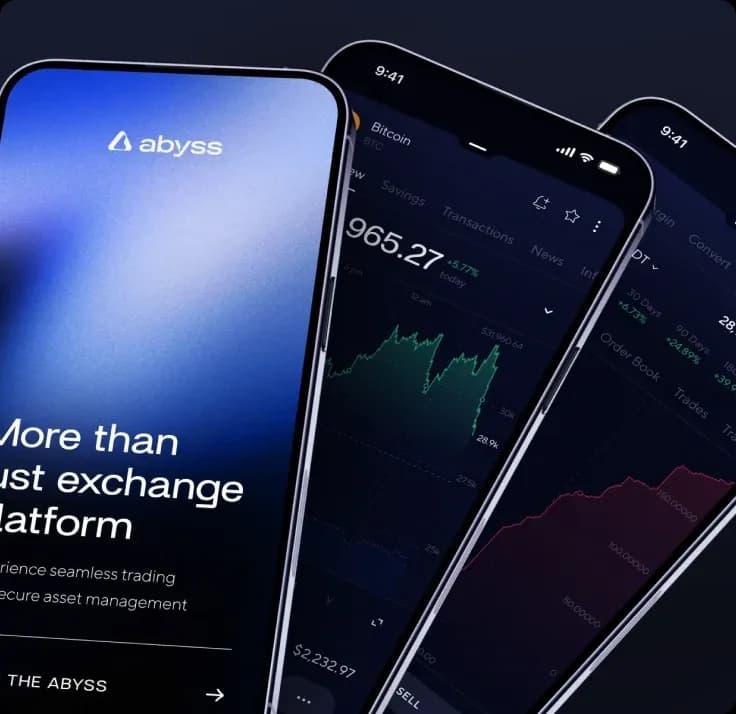
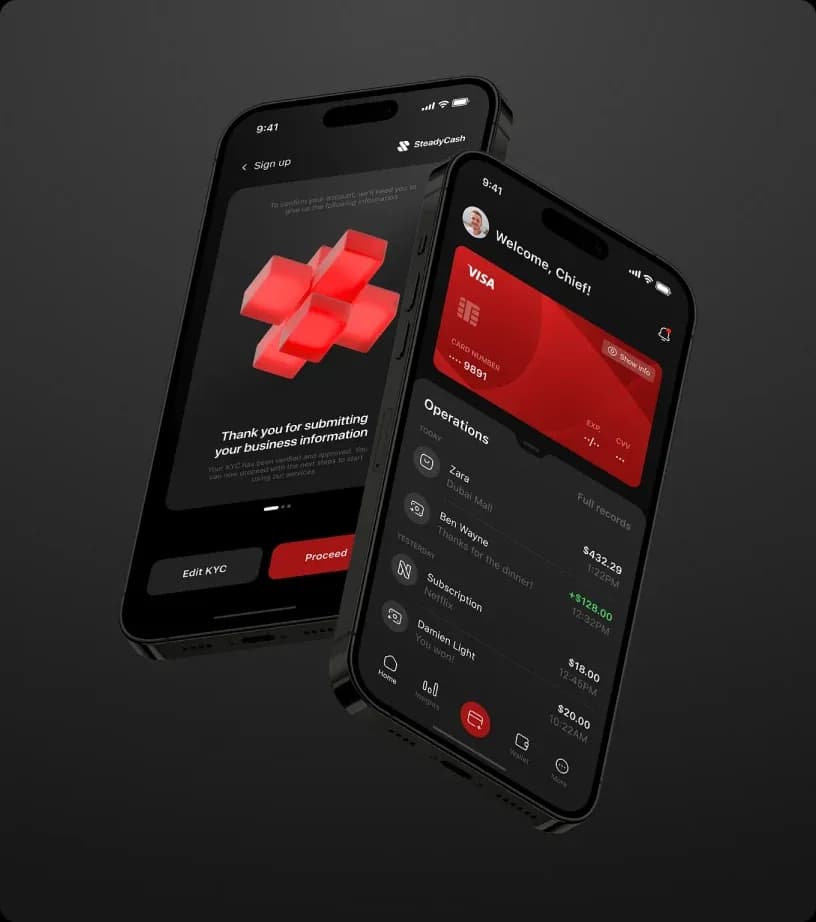
Flows, screens and interaction patterns for apps people open every day. Onboarding, empty states, notifications and the unglamorous details that actually decide whether anyone is still here in week two.
Eight shipped mobile products sit behind this page. We design apps from the first flow to the store listing, and build them when you want one team for both.

Trusted by 200+ of the world’s top brands








What mobile app design includes
What mobile app design includes
01
Flows, screens and interaction patterns for apps people open every day. Onboarding, empty states, notifications and the unglamorous details that actually decide whether anyone is still here in week two.
02
Native patterns for both platforms drawn from one design system, so the app feels right on each without being designed twice. An iOS app design company that ignores Android conventions ships something that feels borrowed.
03
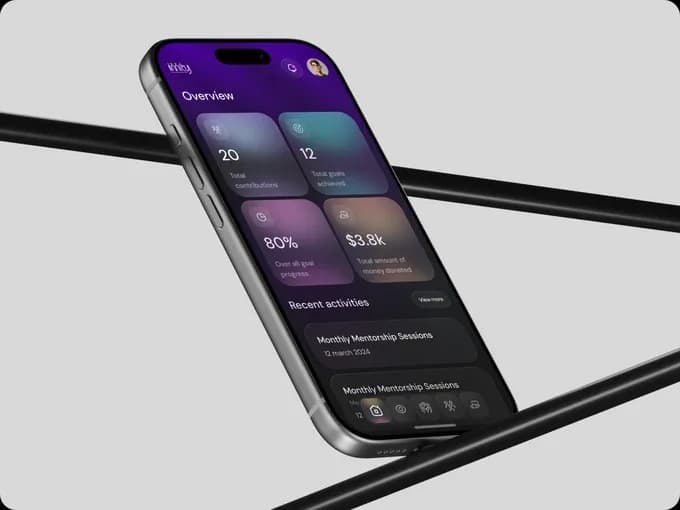
Clickable prototypes for user tests and investor demos before a line of code is written, plus the micro-interactions that separate an app that works from one that feels finished.
04

Components, tokens and documentation so your team ships screen ten as consistently as screen one, and so the next designer does not quietly start again.
05
The same team designs and builds. As an MVP app development company we can take an idea to a store listing, and if you are starting from zero that is a full product engagement rather than a design one.
how we work
Most app projects change hands at the worst possible moment. The design is signed off, the file goes to a development shop, and the version that reaches the store is a negotiation between what was drawn and what was convenient to build.
We do both halves. The people who designed the screens can ship them, so interactions survive contact with production and nobody discovers in week six that a transition was never going to work.
It also makes the estimate honest. When design and build sit in one team, a screen that is expensive to build gets simplified while it is still a drawing.
If you are starting from nothing rather than adding an app to an existing product, that is a full MVP engagement and the MVP development page is the better door.
Who we build for
Founders taking a product to a store for the first time, who need it to look like it belongs there.
SaaS teams adding a companion app to a product that already has a dashboard.
Health, fintech and AI teams, which is where our eight shipped mobile products sit.
Not games, and not white-label work for other agencies.
selected Projects
Clinicians tracking metabolic patients between visits. A companion mobile app and a SaaS dashboard, designed as one system so the same reading means the same thing on both.
What client said
“Usarion team took us from a raw, vague concept to a solid, working launch within a few weeks, completed with a real vision of what we’re building, and roadmap of what we want to build next.”
 Steve HenryCEO, ScalePoynt


our work process
our work process
Step 1
Who opens this, where they are standing, and what they need in the first thirty seconds. Usually two to three days.
Step 2
Every screen, every state, and the paths people actually take rather than only the happy one.
why choose us

The person on your first call is the person doing the work. Nothing is handed to a junior once the contract is signed.

The app is quoted once against a written scope. The price does not move unless you change what you asked for.

Across health, fintech and AI. Real apps in real stores, not a folder of concepts that never left Figma.

The team that draws the screens can also ship them, so nothing is lost between the prototype and the store build.
what our client said
“I personally appreciated that he always kept design ahead of dev.”
“Usarion team took us from a raw, vague concept to a solid, working launch within a few weeks, completed with a real vision of what we’re building, and roadmap of what we want to build next. I personally appreciated that he always kept design ahead of dev.”
-Steve Henry, ScalePoynt

related services
Building a full product from scratch rather than an app on its own? Start with MVP development instead.
Building a full product from scratch? That is a product engagement, not an app project, and it starts here.
Design capacity for a product that already exists, on web as well as mobile.
The identity, the icon and the store assets. Usually runs just before an app launch.
FAQs
Flows, screens, states and a design system, prototyped and tested on real devices, through to the store assets. If you want it built as well, the same team does that rather than handing your file to somebody else.
It is quoted as a fixed price against a written scope before work starts. The drivers are screen count, whether iOS and Android ship together, whether a design system already exists, and whether we build as well as design.
Four to eight weeks for most apps. Understanding the job takes two to three days, flows and prototype another two weeks, and the rest is design, device testing and store preparation. You see real screens in the first week.
Yes, from one design system. Each platform keeps its own conventions, so the app feels native on both without being designed twice. Shipping one first and the other later is fine and changes the price.
Yes. Front end, integrations and the store build, by the team that designed it. If you already have developers we hand over instead, with named layers, documented components and a walkthrough.
A design system rather than a folder of screens: named layers, real components, documented tokens, every state drawn, and a walkthrough with whoever picks it up next.
Often the better option. We audit what is live, find where people drop out, and rework those paths first rather than redrawing everything. You keep what already works.
Book a call
Get in touch
For product, interface and web-system work that needs clear direction and careful execution.