01
SaaS marketing websites
SaaS marketingwebsites
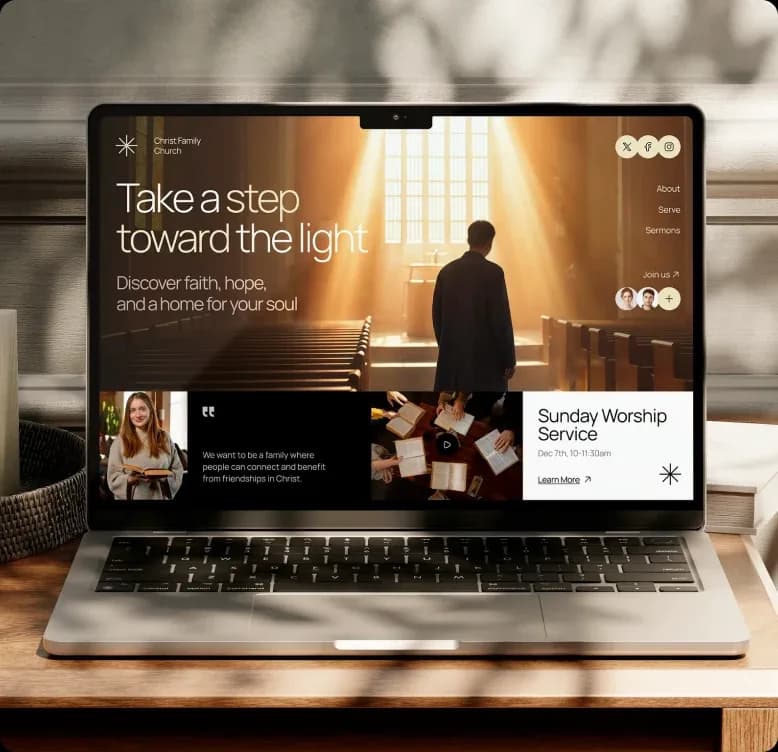
The full site: home, product, use cases, pricing, about. Structured so each page answers the one question a buyer has at that moment, rather than repeating the homepage in a different order.
A SaaS site has one job: make a stranger understand the product in eight seconds and book a demo in thirty. We design and build them, in Webflow or Framer, so your team can edit the site without filing a ticket.
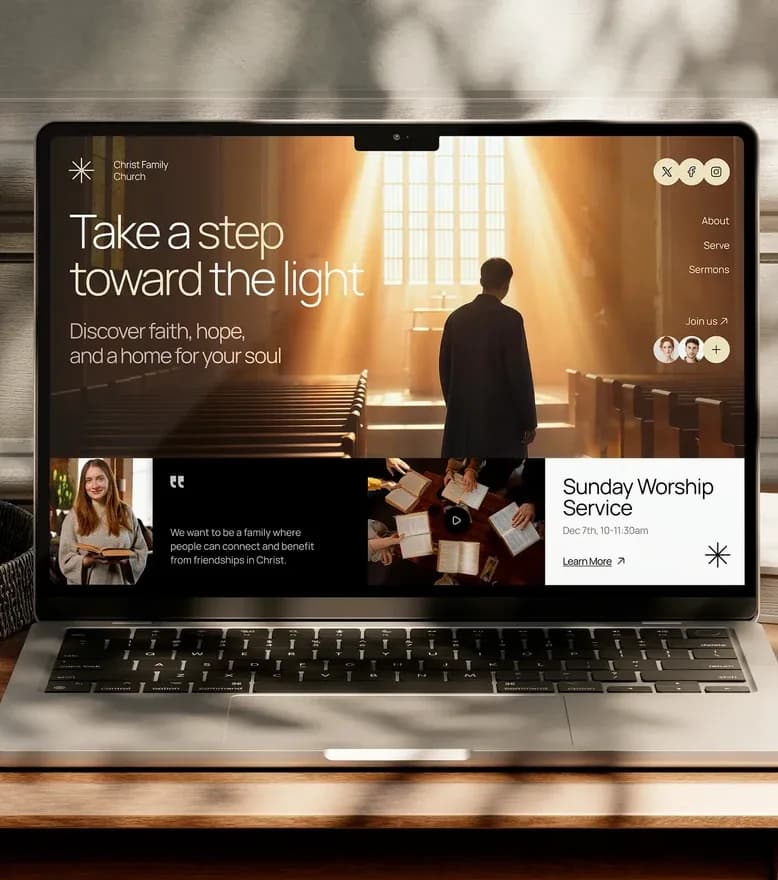

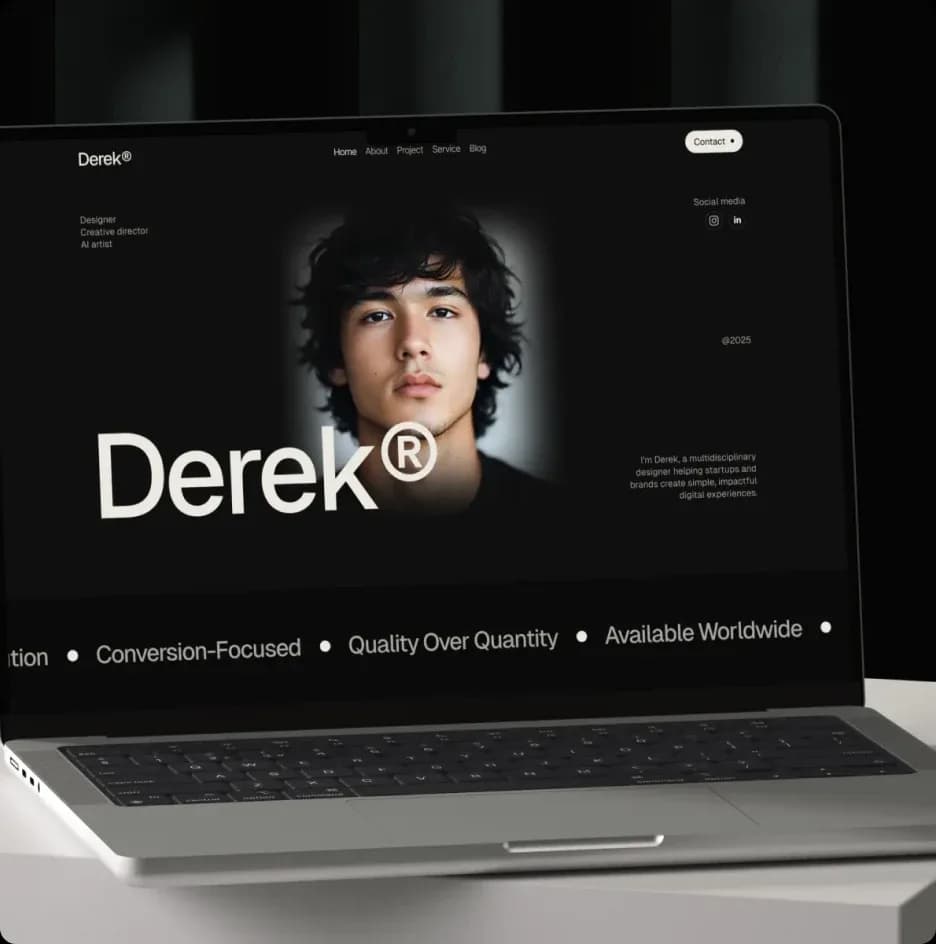

Trusted by 200+ of the world’s top brands








What SaaS website design includes
What SaaS website design includes
01
The full site: home, product, use cases, pricing, about. Structured so each page answers the one question a buyer has at that moment, rather than repeating the homepage in a different order.
02

Single pages built for one campaign, one audience and one action. Fast to ship, easy to duplicate, and measured against the only number that matters, which is how many people booked.
03
Rebuilding a site that has stopped working. We find where people leave before rewriting anything, because a redesign that moves every page is how a site loses the traffic it already had.
04

The path from landing to booked demo, drawn as a flow rather than assembled page by page. Fewer steps, clearer proof, and forms that ask for what your sales team actually needs.
05

Components and templates your marketing team recombines into new pages without a designer. This is what stops a site drifting into fifteen slightly different button styles by month six.
how we work
how we work
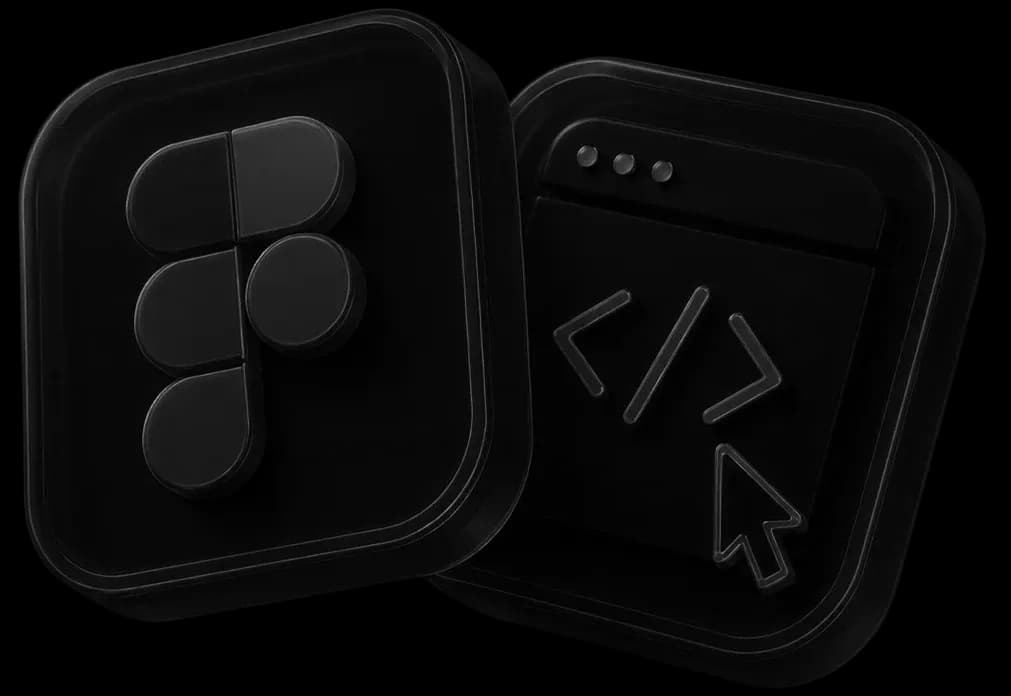
Nearly every SaaS site we build ships in Webflow or Framer. Both hand your marketing team a site they can change on a Tuesday afternoon without a developer, a deploy or a ticket.
Webflow is the better call when there is real content behind the site: a case study library, a changelog, a resource centre, anything that wants a CMS and fine control over how search engines read it.
Framer wins when the site is smaller, more visual and needs to move. Faster to build, better motion out of the box, less structure underneath.
We build in both and will tell you which one fits on the first call, so the recommendation is not a preference dressed up as advice.
saas vs normal website
Topics
SaaS Website
Normal website

Content Strategy
Content highlights benefits and use cases to quickly engage visitors.
Content is static, describing history and services.

Visual Design
Custom visuals ensures clear and relatable for quick understanding.
Uses generic images or stock photos to support branding.

Pricing Presentation
Pricing pages answer user questions to support sales decisions.
Pricing is basic, not tailored to user objections.

User Journey
Guides visitors through sales funnels and demo bookings.
Focuses on navigation without strong conversion efforts.

Messaging Tone
Emphasizes clear problems and value over generic jargon.
Uses broad brand messages without highlighting user problems.
Who we build for
Seed and Series A SaaS teams replacing the site they threw together to get launched.
Founders who need the site live before a raise, a launch or a conference.
Marketing teams who want to stop queueing behind engineering to publish a page.
Not one-page brochure sites, and not sites for products that do not exist yet: that is MVP development.
selected Projects
our work process
our work process
Step 1
Who buys this, what they compare it against, and the one sentence that has to land above the fold. Two to three days, and it decides the whole site.
Step 2
Sitemap, page by page, each with a job and a single action. Agreed in writing before anything is designed, because moving a page later moves its rankings with it.
why choose us

The person on your first call is the person doing the work. Nothing is handed to a junior once the contract is signed.

The site is quoted once against a written page list. The price does not move unless you change what you asked for.

The site is made by people who have built the software behind it, which is why it explains the product instead of decorating it.

Built as components with the CMS connected, so your team ships a new page without a developer and without a ticket.
what our client said
“I personally appreciated that he always kept design ahead of dev.”
“Usarion team took us from a raw, vague concept to a solid, working launch within a few weeks, completed with a real vision of what we’re building, and roadmap of what we want to build next. I personally appreciated that he always kept design ahead of dev.”
-Steve Henry, ScalePoynt


related services
Need the identity before the site? Brand identity design usually comes first, because the site has to dress in something.
The identity, the icon and the store assets. Usually runs just before an app launch.
Building a full product from scratch? That is a product engagement, not an app project, and it starts here.
The product itself, once the site has done its job and someone has signed up.
FAQs
Sitemap and page structure, copy direction, design for desktop and mobile, and the build in Webflow or Framer with the CMS wired up. Most projects also include redirects, analytics and the handover session that lets your team run it without us.
It is quoted as a fixed price against a written page list before work starts. The drivers are the number of unique templates rather than total pages, how much CMS structure is needed, who writes the copy, and whether an old site has to be migrated.
Four to eight weeks for most sites. Working out the pitch takes two to three days, structure about a week, and the rest is design and build running together. You see the homepage in the first week.
Both, by the same team. A design that never gets built is a moodboard, so the build is quoted in by default. If you already have developers you get the file, the components and a walkthrough instead.
Webflow when there is real content behind the site: a case study library, a blog, a resource centre, anything wanting a CMS and fine control over how search engines read it. Framer when the site is smaller, more visual and needs motion. We build in both and will say which fits on the first call.
That is most of the job. Every existing URL is mapped to a new one before launch, the pages already earning traffic are kept, and structure changes deliberately rather than by accident. Most traffic lost to a redesign is redirects nobody mapped.
Yes, and it is built for that. Pages are assembled from components with the CMS connected, so marketing adds a case study or a landing page without a developer. You get a walkthrough, and the site is yours.
Book a call
Get in touch
For product, interface and web-system work that needs clear direction and careful execution.