

01
Logo design

The mark, the wordmark and the small versions that actually get used: an app icon, a favicon, a profile picture. Drawn to hold up at sixteen pixels before anyone judges it at full width.
Identity, guidelines and the pitch deck that raises the round. We build brands for companies at seed, so a business that is eight weeks old reads like one that will still be here in three years.

Trusted by 200+ of the world’s top brands








What brand identity design includes
What brand identity design includes
01
The mark, the wordmark and the small versions that actually get used: an app icon, a favicon, a profile picture. Drawn to hold up at sixteen pixels before anyone judges it at full width.
02

Colour, type, spacing, logo rules and tone of voice, written down so the designer you hire next year makes the same decisions we did. Delivered as a brandbook and as tokens your product team can use.
03
The look beyond the logo: illustration, photography, iconography and motion, directed so every surface reads as one company rather than five freelancers working from the same colour palette.
04

What the company says, in what order, to investors and to customers. The pitch deck sits here: the one brand asset at seed stage with a measurable outcome attached to it.
05

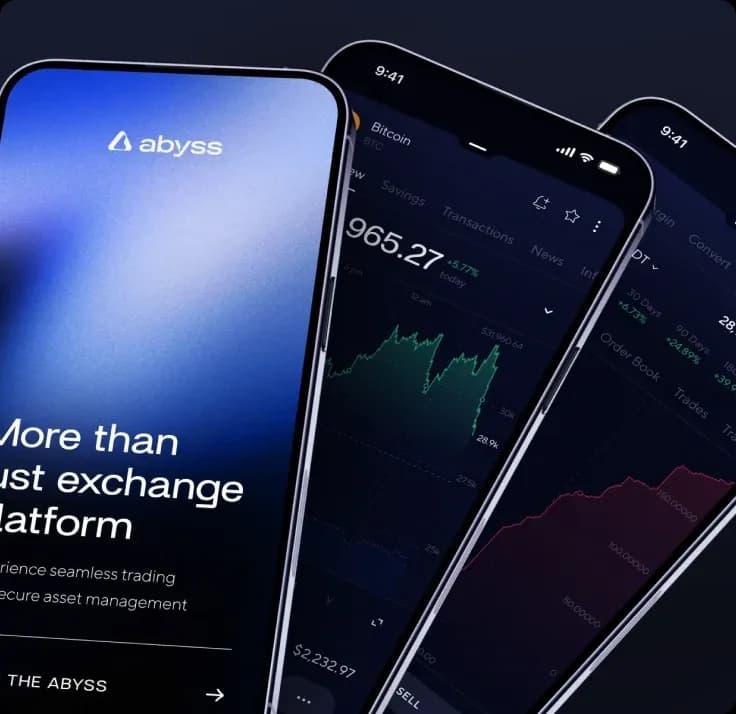
Tech branding carries a job that generic identity work does not: the brand has to survive inside the product. We design identities that hold in a dashboard, an app icon and a dark-mode screen, not only on a poster.
section title
Branding for startups is a different job. The identity has to be decided quickly, survive a pivot, and work in the three places that matter at this stage: the pitch deck, the product and the site.
We build it in that order, because the deck is usually the first thing that has to earn money. The logo matters far less than whether an investor believes the company is real.

Usually the first thing that has to earn money.
Where the identity has to hold under real use.
Where an investor decides the company is real.
things you should know
A brand refresh keeps what people already recognise and fixes what is failing: the type, the palette, the way the mark behaves at small sizes, the tone. Faster than starting again, and it does not cost you recognition you have already paid for.
A full rebrand is the right call when the company is genuinely a different business now, or when the name itself is the problem.
Who we build for
Founders raising on a deck before the product exists, who need the company to read as real in the deck, the product and the site.
Teams whose identity has to hold inside a dashboard, an app icon and a dark-mode screen, not only on a poster.
A full rebrand when the company is genuinely a different business now, or a refresh when the mark is right and the rest is failing.
Not agencies looking to white-label the work.
selected Projects
A raw concept with no name, no mark and no interface. We built the identity and the product together, so the brand was tested inside real screens rather than approved on a moodboard.
What client said
“Usarion team took us from a raw, vague concept to a solid, working launch within a few weeks, completed with a real vision of what we’re building, and roadmap of what we want to build next.”
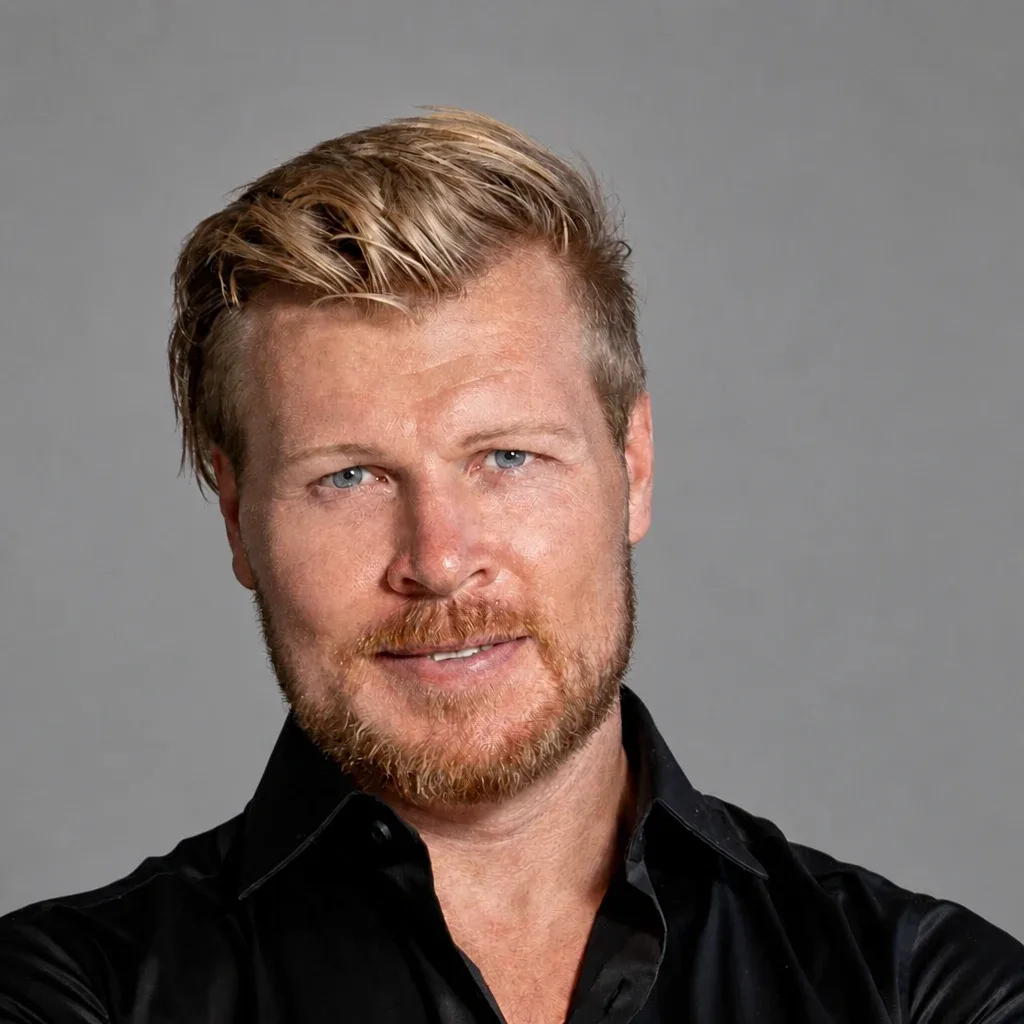 Steve HenryCEO, ScalePoynt


our work process
our work process
Step 1
Who you sell to, who you sit beside, and what the company has to be believed to be. Founder interviews, plus a look at everyone a buyer will compare you against. Usually two to three days.
Step 2
Two or three routes, each a real argument about how the company should read, shown on the surfaces that matter rather than on a moodboard. You pick one and we stop showing the others.
why choose us

The person on your first call is the person doing the work. Nothing is handed to a junior once the contract is signed.

Quoted once against a written scope. The price does not move unless you change what you asked for.

Since 2011, across tech, health and consumer. Identities that shipped and are still in use, not a folder of concepts.

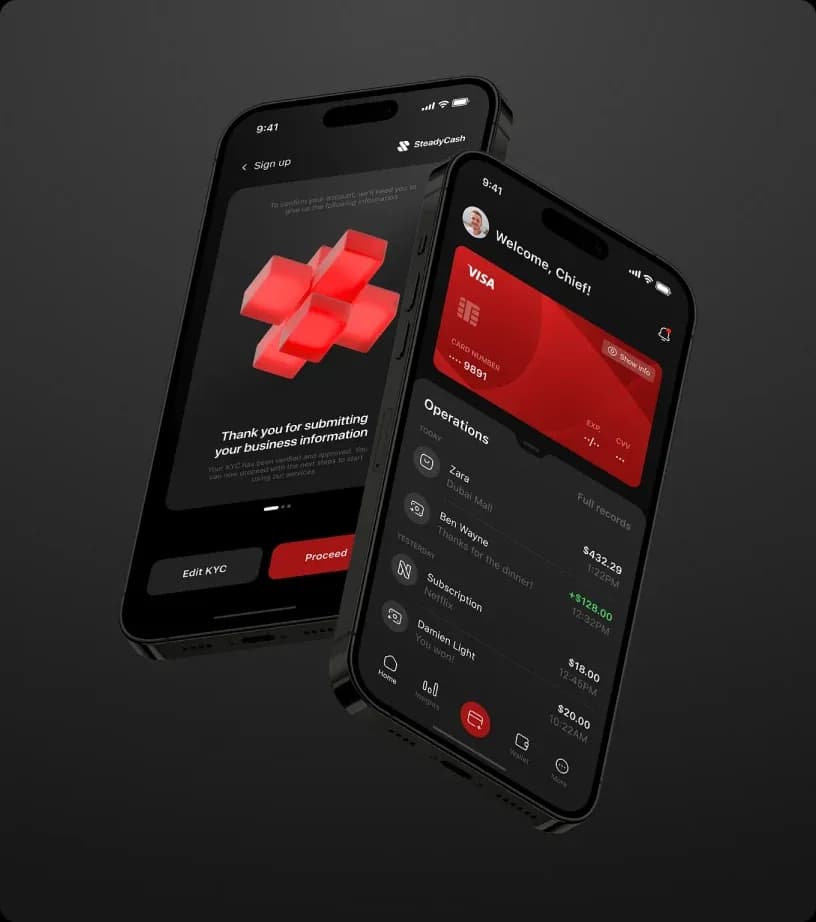
We design interfaces as well, so the identity is proved where it has to live: a dashboard, an app icon, a dark-mode screen.
what our client said
“I personally appreciated that he always kept design ahead of dev.”
“Usarion team took us from a raw, vague concept to a solid, working launch within a few weeks, completed with a real vision of what we’re building, and roadmap of what we want to build next. I personally appreciated that he always kept design ahead of dev.”
-Steve Henry, ScalePoynt


related services
Got the identity and need somewhere to put it? The website is the next project, and it is usually booked in the same conversation.
The identity has to land somewhere. The site is where most people meet it first, and it is the usual next step after this page.
Building for iOS and Android specifically? That page covers app design from flows through to store launch.
Building a full product from scratch? That is a product engagement, not an app project, and it starts here.
FAQs
The mark and its small versions, the brand guidelines and brandbook, creative direction for illustration, photography and motion, the communication strategy and the pitch deck, and an identity designed to hold inside the product as well as on a poster.
It is quoted as a fixed price against a written scope before work starts. What moves it: how many surfaces the identity has to cover, whether a pitch deck and a site are part of the same engagement, and whether we are refreshing a mark that exists or drawing one from nothing.
Two to three weeks for the identity itself. Understanding the company takes two to three days, the direction another week, and the rest is drawing it out properly, writing it down and rolling it out.
That is most of our work. Branding for startups is a different job: the identity has to be decided quickly, survive a pivot, and work in the three places that matter at seed, the pitch deck, the product and the site. We build it in that order.
A refresh keeps what people already recognise and fixes what is failing: the type, the palette, the way the mark behaves at small sizes, the tone. A full rebrand is the right call only when the company is genuinely a different business now, or when the name itself is the problem.
Everything, from day one. The source files, the brandbook, the tokens and every export are in your name, with what not to do written down alongside what to do, so the rules survive the next hire.
Yes. The deck sits inside communication strategy rather than being a separate exercise: it is the one brand asset at seed stage with a measurable outcome attached to it, and it is usually the first thing that has to earn money.
Book a call
Get in touch
For product, interface and web-system work that needs clear direction and careful execution.