

01
UI design

Polished product screens, reusable components and responsive layouts. Dashboards, tables, forms, onboarding and the surfaces people actually spend their working day inside.
Design capacity for products that already exist. Flows, screens, states and the design system underneath, from a team that can also write the code that ships them.
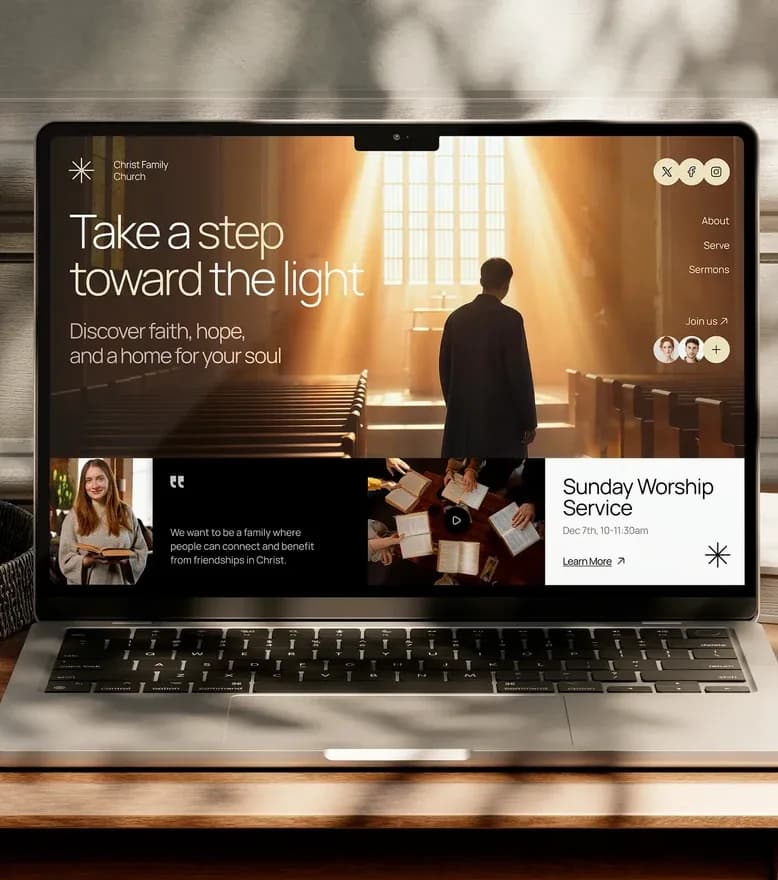
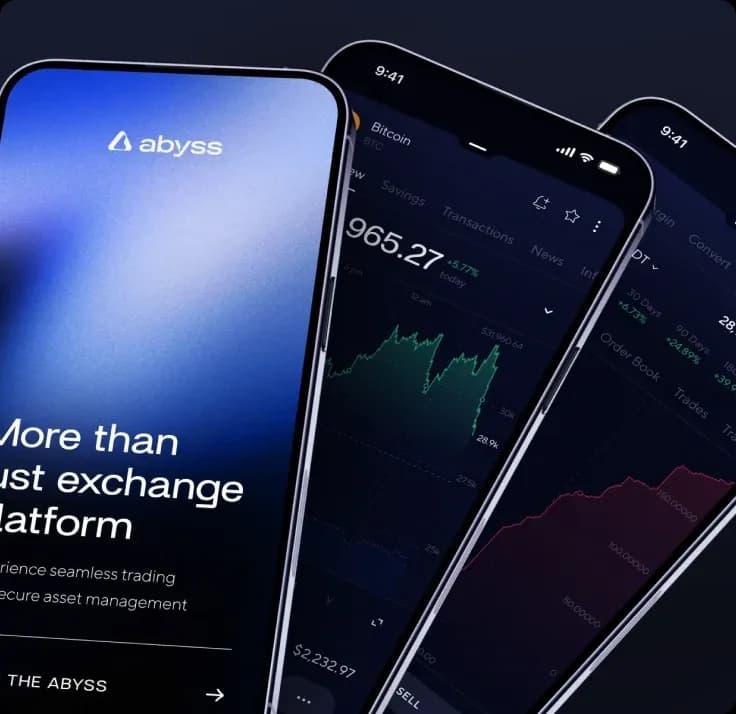
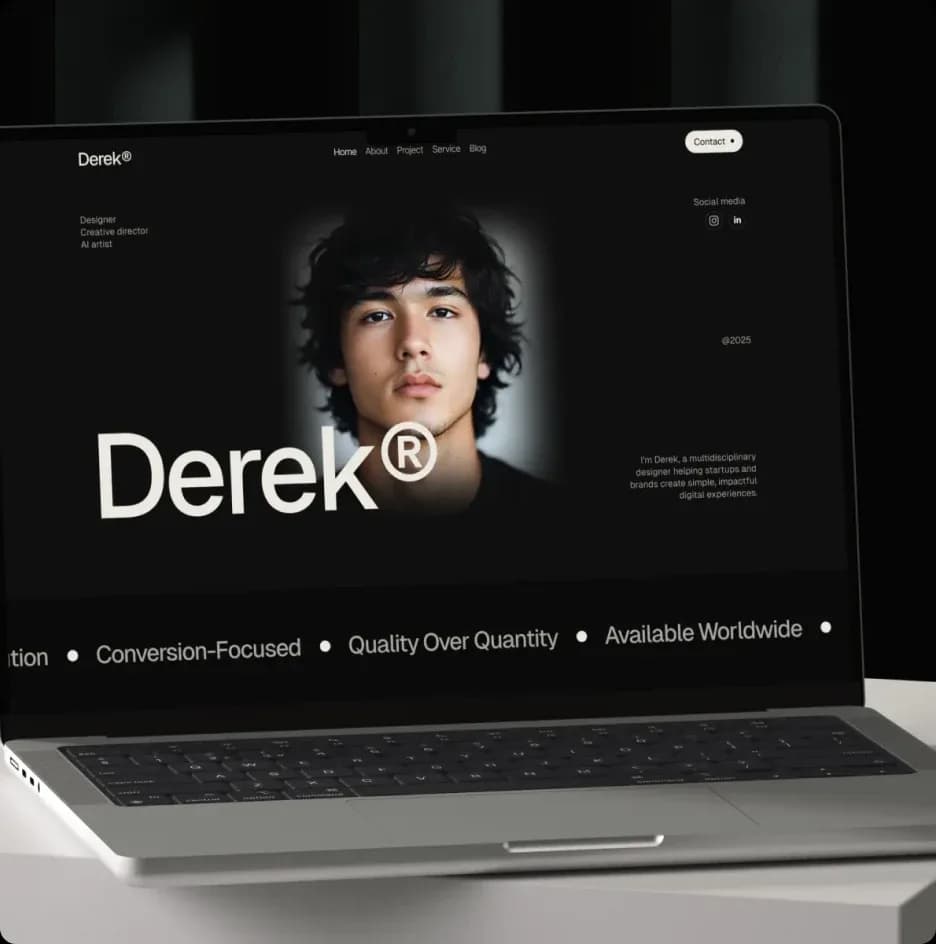
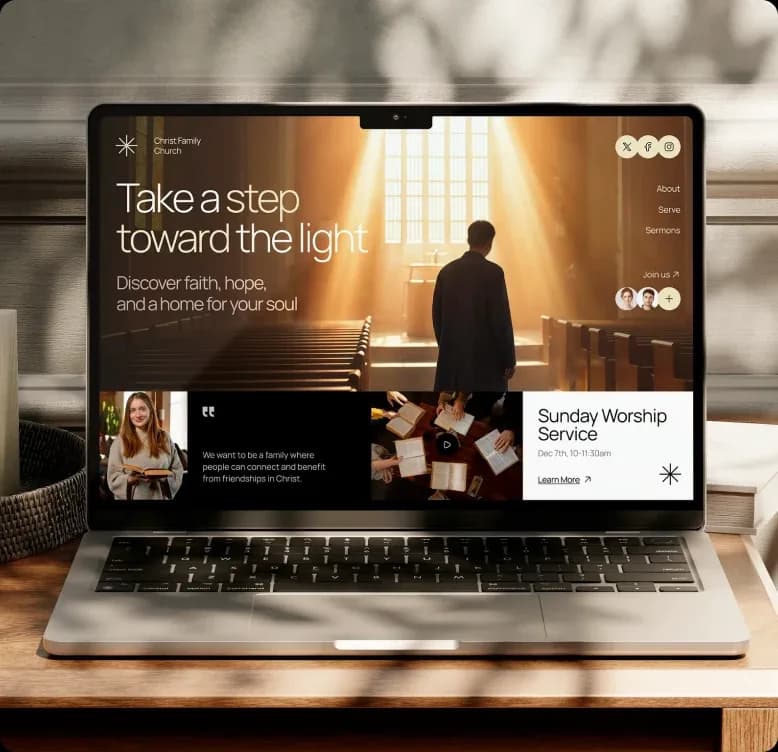

Trusted by 200+ of the world’s top brands








What UI/UX design services include
What UI/UX design services include
01
Polished product screens, reusable components and responsive layouts. Dashboards, tables, forms, onboarding and the surfaces people actually spend their working day inside.
02
Where people hesitate, where they leak out, and why. We map the paths users actually take rather than the one in the demo, then fix the three screens responsible for most of the drop-off.
03
Clickable before it is coded, so you can test with five users and show an investor in the same week. Interaction detail gets decided in the prototype rather than argued about in review.
04

Components, tokens and documentation so screen fifty is as consistent as screen one, and so the next designer does not quietly start again.
05
Most teams asking for UX/UI design services want the build as well, not a handover. The people who design the screens can ship them, or hand over a system your developers can build from without a translation layer in between.
how we work
how we work
A surprising share of the searches that land here are not for design alone. They are for design and development services together, from teams who have been burned by the gap between the two.
That gap is real. A design signed off in Figma meets a developer who was not in the conversation, and the version that ships is a negotiation between what was drawn and what was convenient to build.
We close it by doing both. The people who design the screens can write the code that ships them, so interaction detail survives production and estimates stay honest, because a screen that is expensive to build gets simplified while it is still a drawing.
If you already have developers, the handover is built for them: named layers, real components, documented tokens and a walkthrough, rather than a file and good luck.
Who we build for
Teams whose product works but whose flows fight the user.
SaaS and AI companies adding design capacity without hiring a full-time designer.
Founders who need a redesign that respects the users they already have.
Not students or job seekers, who make up a large share of searches in this space but none of the buyers.
selected Projects
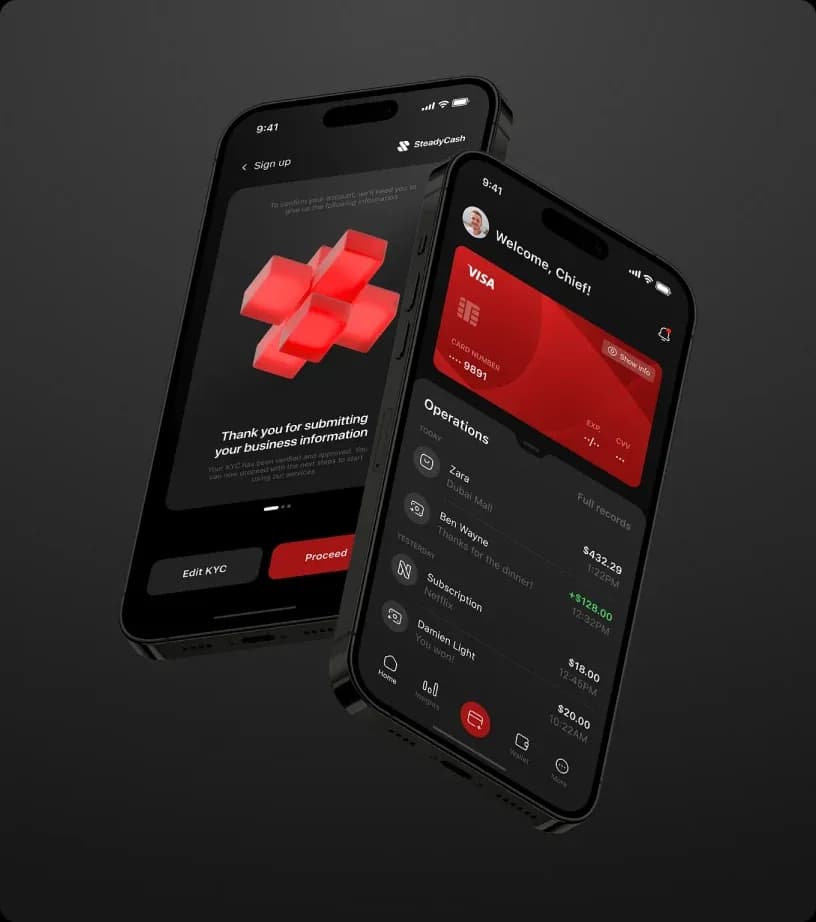
A dense analytics product carrying years of accumulated features. We rebuilt the interface so the depth survived and the first ten minutes stopped being intimidating.
What client said
“Usarion team took us from a raw, vague concept to a solid, working launch within a few weeks, completed with a real vision of what we’re building, and roadmap of what we want to build next.”
 Steve HenryCEO, ScalePoynt


our work process
our work process
Step 1
We read the analytics, the support tickets and the screens themselves before drawing anything. Two to three days.
Step 2
The paths people actually take, the dead ends, and the states nobody designed. Usually where the problem turns out to be.
why choose us

The person on your first call is the person doing the work. Nothing is handed to a junior once the contract is signed.

Quoted once against a written scope. The price does not move unless you change what you asked for.

A redesign has to respect the muscle memory of people who already use the thing. We change what is broken, not everything.

The team that draws the screens can also ship them, so nothing is lost between the prototype and production.
what our client said
“I personally appreciated that he always kept design ahead of dev.”
“Usarion team took us from a raw, vague concept to a solid, working launch within a few weeks, completed with a real vision of what we’re building, and roadmap of what we want to build next. I personally appreciated that he always kept design ahead of dev.”
-Steve Henry, ScalePoynt


related services
Need the product to exist in the first place rather than design capacity for one that does? Start with MVP development.
Building a full product from scratch? That is a product engagement, not an app project, and it starts here.
Building for iOS and Android specifically? That page covers app design from flows through to store launch.
The identity, the icon and the store assets. Usually runs just before an app launch.
FAQs
Research where it is needed, flows, screens, states, prototypes and the design system underneath. On most engagements it also includes the front-end build, because two of the biggest search terms in this space ask for design and development together.
Hiring one full time costs more than most seed-stage teams expect once recruitment, benefits and the quiet months between projects are counted. We work as fixed-price projects or a monthly retainer, quoted against a written scope before anything starts.
Four to eight weeks for most products. The audit takes two to three days, flows and prototype another two weeks, and the rest is design, systemisation and handover. You see real screens in the first week.
Usually yes, and it is generally the right answer. We extend what you have rather than replacing it, unless the audit shows the system itself is the reason screens keep drifting apart.
Yes. Front end and integrations, by the team that designed it. If you have developers we hand over instead, with a system they can build from.
Named layers, real components, documented tokens, every state drawn, and a walkthrough with whoever picks it up next. The test is whether your next designer can continue without asking us anything.
Yes, and it is often the cheapest way to start. A short audit tells you which three screens are costing you the most, and whether you need a redesign or just a fix.
Book a call
Get in touch
For product, interface and web-system work that needs clear direction and careful execution.